Webinar

Porque é que clientes mudam de operadoras: prevenir a rotatividade (Em português)

Descobrir os fatores ocultos de churn com dados de crowdsourcing

Não é segredo que todos os provedores de telecomunicações querem encontrar formas de reter clientes e minimizar a rotatividade. No entanto, a identificação das causas subjacentes da churn pode ser complexa, sobretudo porque novas tecnologias como 5G e Fiber To The Home (FTTH) estão a expandir-se e a mudar a experiência do cliente na América Latina. 

O nosso próximo webinar mostra como pode utilizar dados de crowdsourcing para descobrir as principais tendências de churn e associá-las a métricas específicas de Qualidade de Serviço (QoS) e Qualidade de Experiência (QoE) para compreender os fatores que levam os clientes a mudar de fornecedor. Compreender esta dinâmica pode ajudá-lo a tomar medidas pró-activas para melhorar a qualidade geral do serviço, aumentar a satisfação do cliente e reter clientes. A utilização de melhores dados para encontrar as melhores informações poderá ajudá-lo a reter os seus clientes ou a conquistá-los a outros fornecedores. 

Participe do nosso próximo webinar para explorar exemplos reais de análise de churn em países da América Latina, onde abordaremos como:

  • Identificar tendências de churn a longo prazo e compreender quando e porque é que os seus clientes o abandonam
  • Encontrar correlações entre o NPS (Net Promoter Score), satisfação de clientes e churn
  • Analisar métricas de QoS como a velocidade de download, a velocidade de upload, RSRP e RSRQ para ver como afetam churn
  • Avaliar as métricas de QoE, como a navegação na Web, o streaming, os jogos e as videoconferências, para descobrir o seu impacto na retenção de clientes
  • Compreender o papel das diferentes tecnologias (por exemplo, 5G e FTTH) na influência da rotatividade entre clientes

Assista a gravação

About the presenter

Lourenco Lanfranchi

Diretor Sênior de Vendas na Ookla

Webinar

Por qué los clientes se van: prevenir la tasa de fuga (En español)

Descubriendo los drivers ocultos de la tasa de fuga con datos de crowdsourcing

No es ningún secreto que todos los proveedores de telecomunicaciones quieren encontrar formas de retener a los clientes y minimizar la rotación de clientes. Sin embargo, identificar las causas subyacentes de la fuga de clientes puede ser complejo, especialmente porque las nuevas tecnologías como 5G y Fiber to the Home (FTTH) se están expandiendo y cambiando la experiencia del cliente en América Latina. 

Nuestro próximo seminario web muestra cómo puede utilizar los datos de crowdsourcing para descubrir tendencias clave y vincularlas a métricas específicas de calidad de servicio (QoS) y calidad de experiencia (QoE) para comprender los factores que podrían impulsan a los clientes a cambiar de proveedor. Comprender estas dinámicas puede ayudar a tomar medidas proactivas para mejorar la calidad general del servicio, mejorar la satisfacción y retener a los clientes. Se trata de utilizar mejores datos para encontrar mejores insights que puedan ayudarte a retener a tus clientes o a ganarlos de otros proveedores. 

Únase a nuestro próximo seminario web para explorar ejemplos del mundo real de análisis de churn de clientes en países de América Latina, donde cubriremos cómo:

  • Identificar tendencias de churn de clientes a largo plazo y comprender cuándo y hacia dónde se van los clientes.
  • Encontrar correlaciones entre el NPS y la rotación de clientes 
  • Analizar las métricas de QoS, como la velocidad de descarga, la velocidad de carga, y métricas adicionales para ver cómo afectan a la rotación de clientes
  • Evaluar  las métricas de QoE, como la navegación web, el video streaming, los juegos en línea y las videoconferencias, para descubrir su impacto en la retención de clientes
  • Comprender el papel de las diferentes tecnologías (por ejemplo, 5G y FTTH) para influir en la tasa de churn

Ver grabación

About the presenter

Cristhian Castro

Network Data Scientist en Ookla

Webinar

A Data-Driven Blueprint for Smarter Urban Telecoms Planning

How Dublin City Council and the City Telecoms Association Use Speedtest Data to Improve City Connectivity

Cities are under growing pressure to deliver world-class connectivity while ensuring digital inclusion, urban aesthetics, and environmental sustainability. With 5G and fiber infrastructure rollouts being key drivers of smart city innovation and digital competitiveness, traditional approaches to telecoms planning are no longer sufficient. Dublin City Council has taken a proactive, data-driven approach to meet these challenges head-on, and collaborated with the City Telecoms Association and Ookla to develop a best practice model for other cities around the world.

By leveraging Ookla’s Speedtest Insights™, Dublin created Ireland’s most comprehensive city-level telecom analysis, redefining how cities can plan and optimize their infrastructure. This innovative strategy is setting a new benchmark for urban telecoms planning.

In this webinar, Ookla is joined by Dublin City Council to share how they’ve successfully: 

  • Set KPIs to monitor city telecoms competitiveness and ensure future-proof investments
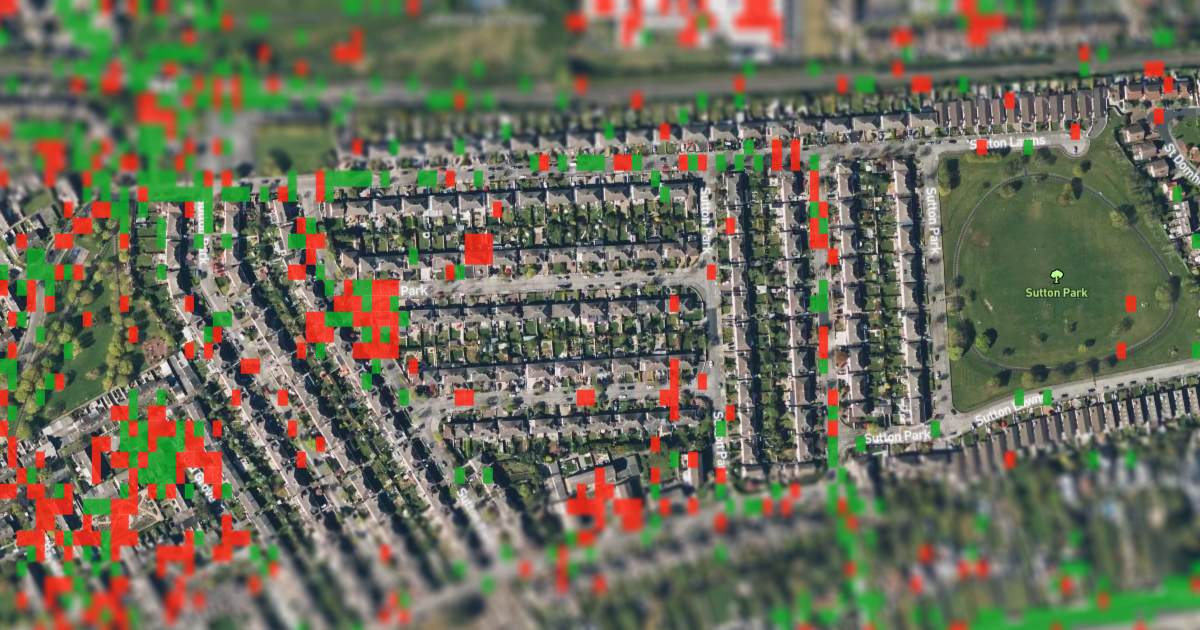
  • Used geospatial analysis and computer vision to identify connectivity gaps
  • Maximized city-owned asset use, including opening rooftops for telecoms deployments
  • Promoted citizen engagement through educational resources to increase transparency around telecom infrastructure
  • Studied the impact of social deprivation and other factors on the digital divide

Watch the Recording

About the presenters

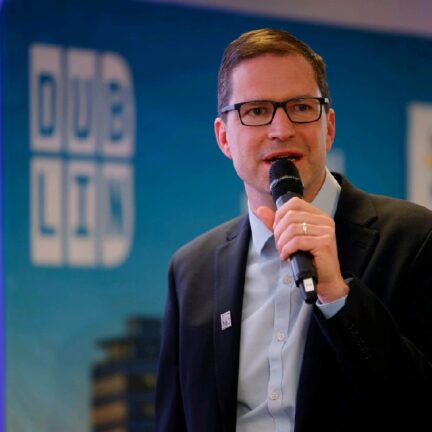
Jamie Cudden

Smart City Program Manager at Dublin City Council

Luke Kehoe

Industry Analyst for Europe at Ookla

Webinar

Closing the Digital Divide: Leveraging Crowdsourced Data for Global Broadband Development

A conversation with the WBBA and Omdia on addressing digital inequality

Reliable broadband and fiber internet are essential for connection in today’s world, enabling remote work, online learning, healthcare access, and staying connected with loved ones. However, in many rural and underserved areas, high-speed, fiber-based connections remain limited. Crowdsourced data from Ookla reveals the real-world impact of this divide, highlighting where broadband and fiber investment are most needed.

The World Broadband Association (WBBA) is an organization dedicated to advancing global broadband access. In collaboration with analyst firm Omdia and leveraging Ookla Speedtest data, the WBBA has launched a new Fiber Development Index — a tool that combines various fiber investment metrics with Speedtest insights to benchmark fiber development across 93 countries and territories.

In this webinar, Ookla is joined by panelists from WBBA and Omdia for a discussion on:

  • Key findings from the Fiber Development Index
  • Global progress in broadband development illustrated by crowdsourced data 
  • The digital divide in high-quality, gigabit broadband access
  • The current status of urban and rural broadband coverage in the U.S. 
  • Which countries lead in fiber development and how regulatory policies can drive the expansion of gigabit societies


Watch the Recording

About the presenters

Martin Creaner

Director General at WBBA

Alzbeta Fellenbaum

Principal Analyst at Omdia

Sue Marek

Editorial Director at Ookla

Webinar

The Slow Road to 5G SA: What’s Delaying Deployment?

A critical look at barriers, incentives, and the future of 5G SA

The shift to 5G Standalone (SA) was expected to represent a pivotal advancement in the evolution of mobile networks with exciting promises of ultra-low latency, enhanced bandwidth, and increased network reliability. However, according to Dell’Oro Group research, only a total of three MNOs have launched new 5G SA networks in three countries in the first half of this year, bringing the total number of networks that have commercially deployed 5G SA to just 50 worldwide. This raises the question: why has the rollout of 5G SA been so slow and will those SA promises ever become reality?

With concerns about ROI and whether 5G can generate sufficient revenue to justify its substantial capital costs, many operators that have not yet upgraded to 5G SA cores appear hesitant to make the switch. But exclusive new Ookla data and insights on 5G SA performance suggests a different question: are operators slow to adopt 5G SA missing out on critical network advantages?

In the United States, T-Mobile has been at the forefront of 5G SA deployment. We are excited to welcome Egil Grönstad, Sr. Director of Technology Development and Strategy at T-Mobile, for an insightful discussion on the challenges and benefits of deploying 5G SA networks. In this session, you’ll learn about T-Mobile’s journey as a global 5G SA leader, including: 

  • Network prerequisites to ensure a successful 5G SA deployment
  • Benefits of deploying 5G SA, including improved latency and reliability
  • Challenges with 5G SA such as addressing voice services

Watch the Recording

About the presenters

Egil Grönstad

Sr. Director of Technology Development and Strategy at T-Mobile

Kerry Baker

Industry Analyst at Ookla

Rakesh Mallela

Client Services Manager at Ookla

Webinar

Learnings from the CrowdStrike Outage

How Enterprises Can Leverage Downdetector for Incident Monitoring and Early Detection

 8.5 Million Microsoft Users and Multiple Industries Impacted

On July 19, a routine software update by cybersecurity firm CrowdStrike led to what many consider the largest tech outage in IT history. Microsoft reported that this incident affected approximately 8.5 million Windows devices, causing widespread service disruptions across various sectors, including airlines, emergency services, banks, and ride share companies.

What Downdetector Saw From Real-Time Monitoring

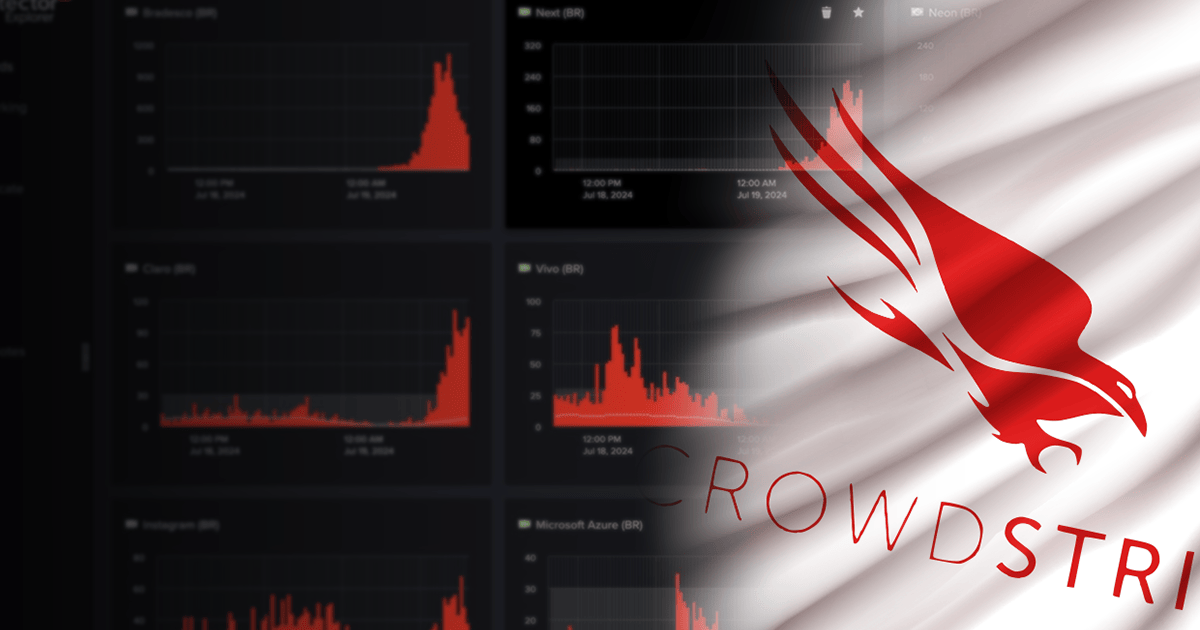
Downdetector, the world’s most popular platform for online service status information, observed millions of users reporting problems with different websites and services during the outage. While most companies have since recovered from the CrowdStrike incident, this event highlighted the vulnerabilities of modern websites to software glitches and the crucial role of tools like Downdetector in providing real-time analysis. 

What You’ll Learn and How Downdetector Helps

In this webinar you will to learn valuable insights from this unprecedented outage and discover best practices for managing service disruptions within your organization.

  • Key takeaways from the CrowdStrike outage, including comparisons to other major outages and a rundown of the industries most impacted by the outage
  • How Downdetector can provide early alerting when a major outage begins to occur
  • Techniques to identify whether the issue lies with your own service or the third-party services you rely on
  • How to tell if similar outages happening around the same time are related or not

Watch the Recording

About the presenters

Daniel Ramirez

Director of Product, Downdetector

Sue Marek

Editorial Director, Ookla

Webinar

Is It Just You? Leveraging Downdetector to Identify Service Disruptions

Resolve issues faster and provide better customer support with real-time insights

Your monitoring tools haven’t detected an issue, yet your customers are flooding social media, Downdetector.com, and your support channels complaining that your service is down. What do you do? In our upcoming webinar, you will learn how Downdetector Explorer can help you immediately determine when a service disruption is happening and whether it is being caused by internal or external issues. With insights into third-party services, network providers, your competitors, and other data, you can troubleshoot issues faster, decrease MTTR, and provide your customers with better, more contextual support.

Sharing insights from recent service disruptions at AT&T, WhatsApp, Bank of America, and Playstation, we’ll demonstrate how to: 

  • Rapidly identify service disruptions before your internal testing and monitoring tools can detect a problem
  • Diagnose when incidents are caused by external services that impact your service delivery, such as a CDN, cloud hosting provider, telecommunications provider, or competitor
  • Respond to users that are experiencing problems with your service, whether they are caused by internal or third-party services

Watch the Recording

About the presenter

Daniel Ramirez

Director of Product, Downdetector

Webinar

How Wireless Infrastructure Providers Can Improve Public Safety Connectivity with Crowdsourced Insights

Ensuring Reliable Communications for Emergency Responders and Their Communities

Providing reliable wireless connectivity and ensuring that first responders and civilians can stay connected during emergencies is vital to public safety. Comprehensive connectivity in emergency situations saves lives — which is why wireless infrastructure providers play such a crucial role in public safety. 

Public Safety Towers Company (PSTC) is a U.S. based infrastructure provider that partners with commercial carriers, local governments, and public safety agencies to deliver efficiently placed, commercially viable wireless infrastructure. Using Ookla Cell Analytics™, PSTC gets the crowdsourced insights they need to quickly identify coverage gaps within a community and help their clients improve local connectivity through infrastructure investments. 

In this webinar, Public Safety Towers will be joined by The Western Fire Chiefs Association to share how they work together to improve wireless connectivity in communities. You will also learn how to: 

  • Identify coverage gaps within a community using crowdsourced data
  • Benchmark the performance, quality, and availability of existing networks
  • Identify areas for new cell sites or tower colocation

Watch the Recording

About the presenters

Ashtyn Coleman

Infrastructure Development Manager at Public Safety Towers

Chief Barry Hutchings

Senior Operations Advisor at The Western Fire Chiefs Association

Olivier Miramond

Senior Technical Account Manager at Ookla
Webinar

How to Optimize Indoor Cellular and Wi-Fi Coverage

Using Crowdsourced and Controlled Testing to Assess and Address Indoor Coverage Issues

Ensuring reliable indoor coverage for mobile and Wi-Fi networks has become a critical aspect not only for public safety, but also for providing a good end-user experience in places like malls, airports, hospitals, and colleges. Network operators and enterprises who aim to provide seamless in-building connectivity and provide top-notch customer experience are presented with a unique set of challenges including factors like signal attenuation and high user density in crowded indoor spaces. 

Numerous solutions are available to enhance indoor coverage, including small cells, DAS, or the incorporation of additional Wi-Fi access points. However, the successful deployment of these solutions hinges on thorough planning. Through the combined power of crowdsourced and controlled testing, operators can effectively assess in-building coverage quality, optimize network performance, and prioritize actions that will have the biggest impact. 

In this webinar, you will learn how to:

  • Use crowdsourced data to assess indoor coverage and quality 
  • Measure indoor mobile coverage with walk tests 
  • Optimize Wi-Fi networks in indoor spaces to complement cellular coverage

Watch the Recording

About the presenters

Karim Yaici

Lead Industry Analyst at Ookla

Ahmed Nabawy

Technical Account Manager at Ookla

Nikhil Gogate

Global Business Development Director at Ookla

Matt Starling

Director of Product Marketing at Ekahau

Webinar

Navigating FCC Broadband Label Requirements

How to validate speed and latency claims with integrated network testing

The FCC has introduced a new broadband label requirement that will educate consumers with standardized, easy-to-understand information about the broadband services that providers are offering. Starting April 10th, 2024, internet service providers with 100,000 or more subscriber lines will need to comply with this requirement by displaying broadband labels that disclose key service attributes, such as speed, pricing, and data caps. All other providers will be required to display the labels by October 10, 2024.

Navigating the requirements associated with these labels may prove to be challenging for providers — especially when it comes to speeds, given that real-world speeds experienced by consumers often differ from their advertised speeds. Furthermore, it can be difficult to distinguish real-world performance between different technologies or tiers of service, such as fiber or cable. 

In this webinar, Ookla is joined by experts from The Rural Broadband Association (NTCA), National Cable & Telecommunications Association (NCTA), and America’s Communications Association (ACA Connects) to discuss:

  • What exactly broadband labels are and why they are being implemented 
  • Potential risks to your business if you advertise speeds that can’t be validated
  • How to get accurate data for broadband labels using third-party crowdsourced data 
  • Methods for determining which tier or technology your customers are connected to when submitting a consumer-initiated Speedtest

Watch the Recording

About the presenters

Bryan Darr

VP, Government Affairs at Ookla

Josh Seidemann

VP, Policy and Industry Innovation at The Rural Broadband Association (NTCA)

Jim Partridge

VP, Industry and Technical Analysis at National Cable & Telecommunications Association (NCTA)

Brian Hurley

Chief Regulatory Counsel at  America’s Communications Association (ACA Connects)